
Psychological impacts of gambling Understanding the mind's gamble
The Allure of Gambling
The psychological allure of gambling lies in its unpredictable nature. The thrill of winning, paired with the adrenaline rush of risk-taking, creates a unique emotional experience. Many players find themselves drawn to the possibility of a life-changing jackpot, which fuels the excitement. This emotional pull can override rational thinking, leading individuals to believe they can control outcomes through strategies or patterns. Interestingly, one can explore advanced strategies at https://www.wazambaonline.com/, further amplifying their engagement. The phenomenon of “near misses” often amplifies this allure, as players may misinterpret these events as signs that a win is imminent, further entrenching them in the gambling cycle.

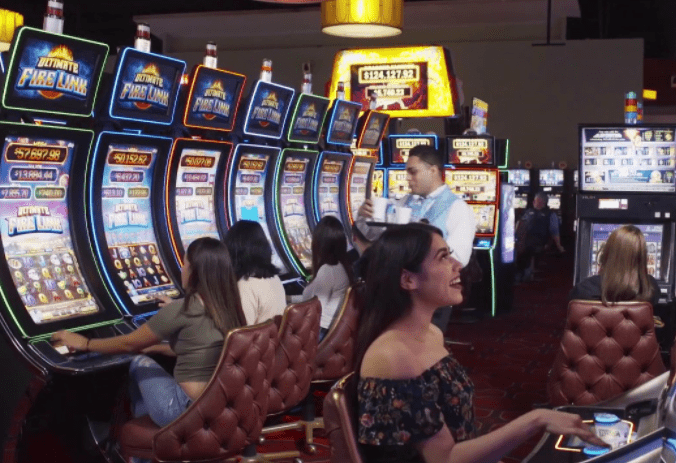
Moreover, the environment in which gambling takes place can heighten these psychological effects. Casinos and online platforms are designed to be stimulating and immersive. Bright lights, enticing sounds, and engaging graphics contribute to a sensory overload that captivates players. This ambiance can encourage longer play sessions, as individuals become caught in a euphoric state that clouds their judgment and fosters an inclination to chase losses.
The Role of Cognitive Biases
Cognitive biases significantly impact how individuals perceive gambling outcomes. One prevalent bias is the illusion of control, where players mistakenly believe they can influence random outcomes through skill or strategy. This leads to overconfidence in their abilities, prompting them to gamble more frequently and stake larger amounts. Additionally, confirmation bias plays a role; players focus on wins while dismissing losses, reinforcing their belief that they can beat the odds.
The gambler’s fallacy is another cognitive distortion that affects decision-making. Individuals may believe that after a series of losses, a win is “due,” leading to irrational betting behaviors. This misinterpretation of probability can trap players in a cycle of continued gambling, further deepening psychological dependency and increasing the risk of developing gambling disorders.
The Impact of Social Influences
Social factors significantly shape gambling behaviors and attitudes. Peer pressure can drive individuals to engage in gambling, as social environments often glorify risk-taking and reward-seeking behaviors. In many cultures, gambling is viewed as a form of entertainment, making it socially acceptable and even desirable. This social reinforcement can normalize excessive gambling, leading to maladaptive behaviors.
The Consequences of Problem Gambling
The psychological consequences of problem gambling can be severe and wide-ranging. Individuals may experience heightened stress, anxiety, and depression as a direct result of their gambling activities. The financial strain caused by losses can exacerbate these issues, leading to strained relationships and social isolation. Many problem gamblers find themselves trapped in a cycle of denial, making it difficult to recognize the need for help.
Wazamba Casino and Player Engagement
Wazamba Casino exemplifies a modern gaming platform that focuses on user experience while acknowledging the psychological aspects of gambling. With over 4,000 games and a dedicated sportsbook, it offers a comprehensive gaming experience that caters to diverse preferences. The platform’s design fosters engagement through gamified rewards and a robust VIP program, ensuring players remain entertained while navigating the complexities of gambling.
By providing a range of promotions, including generous welcome bonuses, Wazamba Casino aims to attract and retain players. However, it is crucial for operators to promote responsible gambling practices, ensuring that users are aware of the psychological implications of their activities. By striking a balance between entertainment and awareness, Wazamba Casino contributes to a healthier gaming environment that recognizes the mind’s gamble.