
Uncovering the truth behind common casino myths and misconceptions
The Illusion of Skill in Games of Chance
One of the most prevalent myths in casinos is that certain games, particularly slot machines, can be influenced by the player’s skill. While skill can play a role in games such as poker or blackjack, where strategy affects the outcome, games of chance like slots are entirely random. The notion that a player can “control” the outcome by observing patterns or betting strategies is a misconception that can lead to disappointment and financial loss. For more insights into this topic, check out https://danatepper.com/.
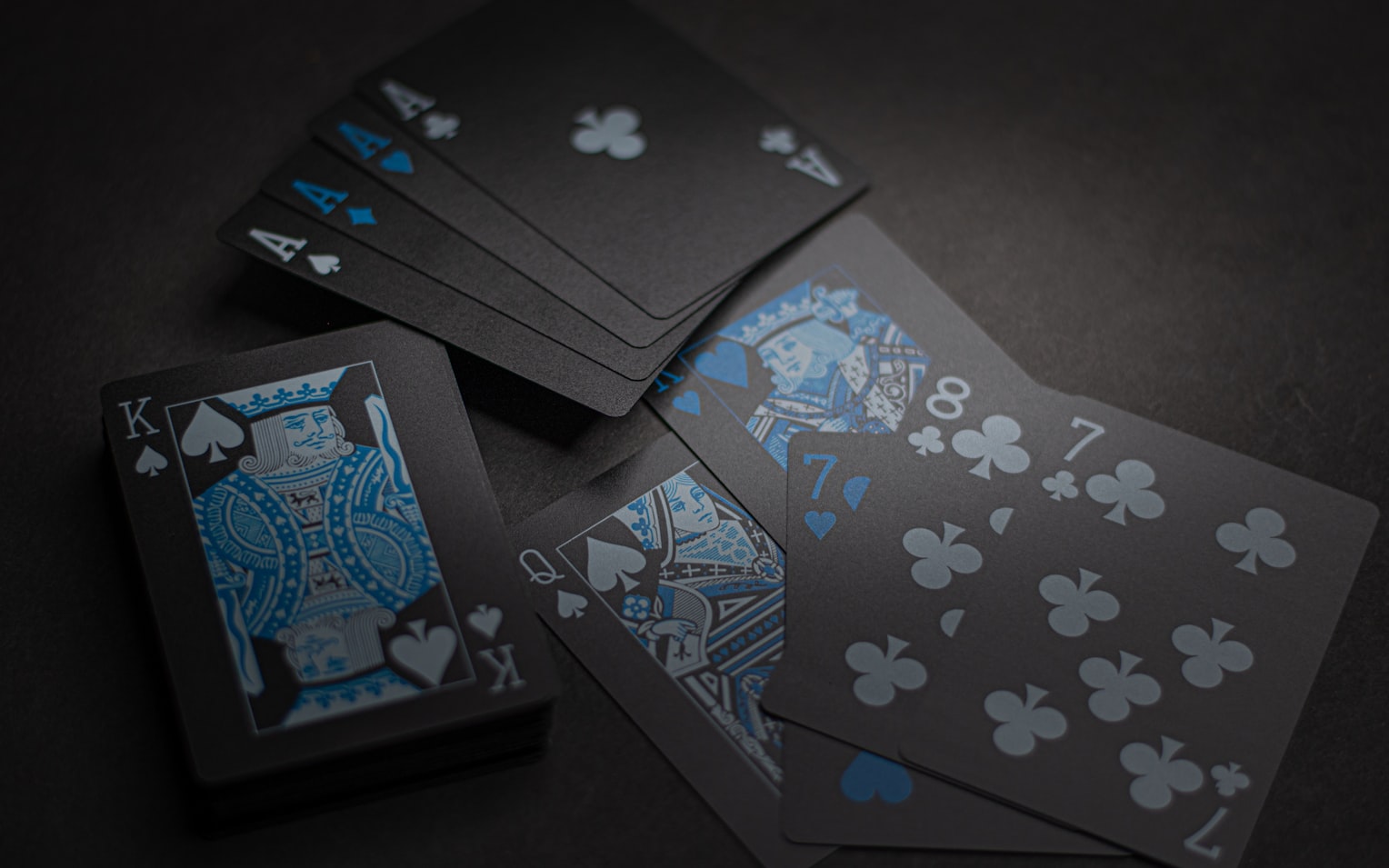
Casinos utilize sophisticated Random Number Generators (RNGs) to ensure that each spin on a slot machine is independent of the last. This means that no matter how many times a player spins, the result will always be random. Understanding this can save players from the frustration of believing that their intuition or experience will yield better results than mere luck.
Moreover, the idea that a player can develop a “system” to win at these games often stems from anecdotal experiences shared among gamblers. However, these stories rarely hold water when scrutinized against the mathematics of probability and the casino’s built-in house edge. It’s essential for players to recognize the difference between skill-based and chance-based games to manage their expectations realistically.
The Misunderstanding of Casino Odds
Another common misconception is that casino games are rigged against the player in a way that’s unfair. While it’s true that casinos have an advantage—known as the house edge—this edge is a fundamental aspect of how casinos operate. Understanding the odds of various games can demystify this perceived unfairness and equip players with knowledge to make informed decisions.
For instance, games like roulette and craps have established odds that dictate the likelihood of winning. These odds are public and can be researched, offering players the opportunity to choose games with more favorable payouts. When gamblers grasp the true nature of these odds, they can approach their gaming experience with a better understanding of potential risks and rewards.
Many players mistakenly believe that they can beat the house edge through certain betting strategies or systems, like the Martingale strategy, which involves doubling bets after losses. While this might sound appealing, it can lead to significant financial losses in the long run, as the player will eventually encounter table limits or run out of funds. By understanding the odds, players can set realistic goals and limit their gambling expenditures accordingly.
The Myth of Lucky Charms and Superstitions
Superstitions are rampant in the casino environment, with players often believing in lucky charms or rituals that will bring them fortune. From carrying a particular coin to wearing specific clothing, these beliefs can significantly influence a player’s mindset, despite having no basis in reality. The randomness inherent in games means that no external factor can change the outcome of a game.
Interestingly, these superstitions often serve as psychological comfort for players. Engaging in rituals can help reduce anxiety and enhance the overall gaming experience, even if they do not influence the game’s outcome. For example, many players might choose to tap the machine or blow on dice, believing these actions will help them win. Acknowledging this psychological aspect can provide insight into the behavior of gamblers.
Despite the apparent harmlessness of these rituals, they can lead to poor decision-making. Players may ignore sound strategies or bets in favor of their superstitions, ultimately affecting their bankroll management. Therefore, it’s crucial for players to be aware of their beliefs and strive to make decisions based on strategy rather than myths.
The Fallacy of ‘Hot’ and ‘Cold’ Machines
Many casino-goers hold the belief that slot machines can be “hot” or “cold,” where hot machines are believed to be due for a payout while cold machines are perceived as unlikely to pay out. This myth leads players to spend unnecessary time and money attempting to chase perceived patterns. In reality, each spin is a separate event, and the outcome is determined by RNGs without regard to previous spins.
The idea that machines can be due for a payout stems from the human tendency to find patterns and make predictions based on previous outcomes. This cognitive bias can lead players to make irrational choices, such as spending excessive time at a particular machine based solely on belief rather than statistical reality. Understanding that each spin is independent can help reduce the emotional investment in such myths.
Additionally, casinos are designed to encourage players to believe in these patterns, as this often leads to more prolonged gambling sessions. By recognizing that there is no such thing as a hot or cold machine, players can focus on making informed betting decisions rather than getting caught up in the allure of superstition. This awareness can ultimately enhance their gaming experience and help manage their budget more effectively.

Your Comprehensive Guide to Casino Gaming
In conclusion, understanding the common myths and misconceptions surrounding casinos is crucial for anyone looking to enjoy a responsible and informed gaming experience. With knowledge of the true nature of odds, the randomness of games, and the psychology behind superstitions, players can navigate the casino environment with greater confidence. This knowledge empowers players to set realistic expectations and make strategic decisions that enhance their overall experience.
The website dedicated to providing comprehensive insights into casino gaming serves as a valuable resource. Whether you’re a beginner or a seasoned player, understanding the nuances of casino operations and debunking popular myths can significantly improve your gaming journey. From tips on responsible gaming to detailed descriptions of popular games, this resource equips you with the tools necessary for a fulfilling casino experience.